
My friend Cat and I had decided that we wanted to go on a foreign hiking adventure for quite some time and so after flicking through travel books and scrolling through the internet we settled on exploring the northern part of the Kungsleden (King’s Trail) in Sweden.
Kungsleden is Sweden’s longest and most famous trail; the trail from Abisko to Hemavan being 460km long. We, unfortunately, only had one week to visit the park so plotted a shorter route from Abisko to Nikkaluokta, which is circa 100km.
Some of the reasons for choosing this trail
- I had Sweden on my bucket list as a country to visit
- The thrilling idea of heading north above the Arctic Circle
- The trail is known as one of Europe’s most remote
- A relatively well marked route
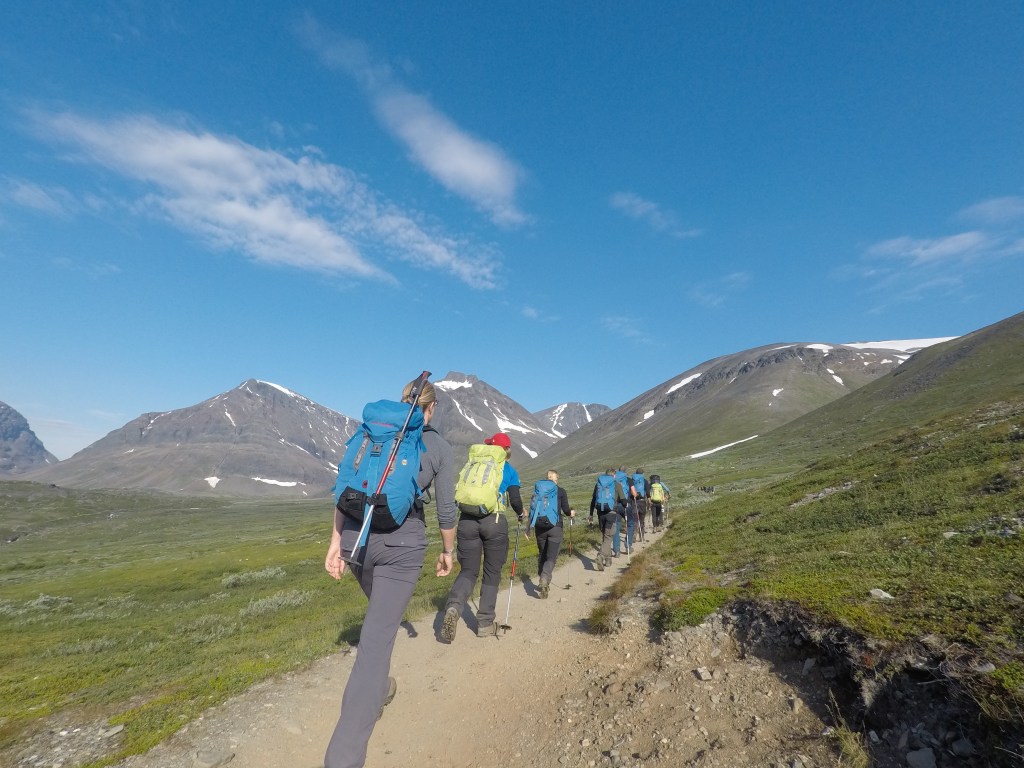
- Generally flat, with only one ridge to cross
- Cat had outlined her preference to avoid camping, thus the access to huts was very useful
- A glacial mountain (Kebnekaise 2098m) to climb as an option
The trail navigates through the arctic wilderness of mountain, forest, lake and open landscape; and is home to the reindeer-herding Sámi people.
Well-built bridges are provided where the trail crosses rivers, and wooden boardwalks have been laid across the boggiest parts of terrain. These bridges and boardwalks are on the whole in very good condition and are maintained by the Swedish Tourist Association (STF). However, do note that there are patches where you are likely to encounter “un-boarded” boggy patches though.

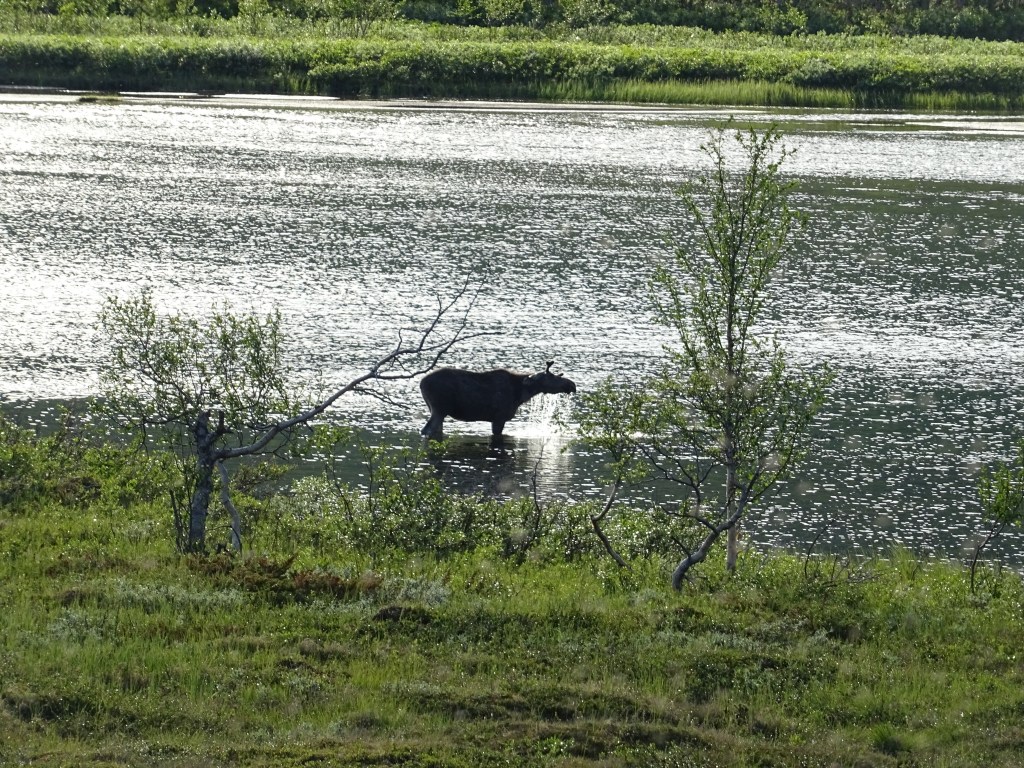
Although this part of Sweden is home to brown bear, wolverine, lynx and wolf, all are wary of humans and are apparently unlikely to be seen. During the summer, Reindeer also remain mostly unseen, having migrated westwards to graze nearer the Norwegian border. We were lucky enough to spot a moose washing down in a river, which was pretty cool!
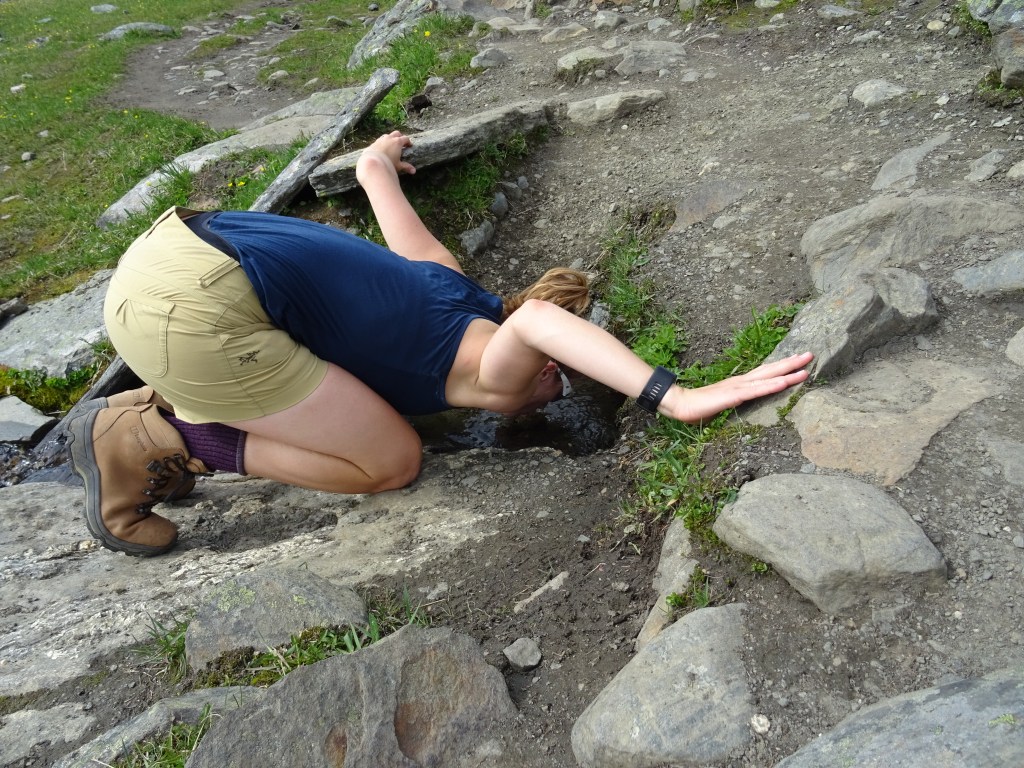
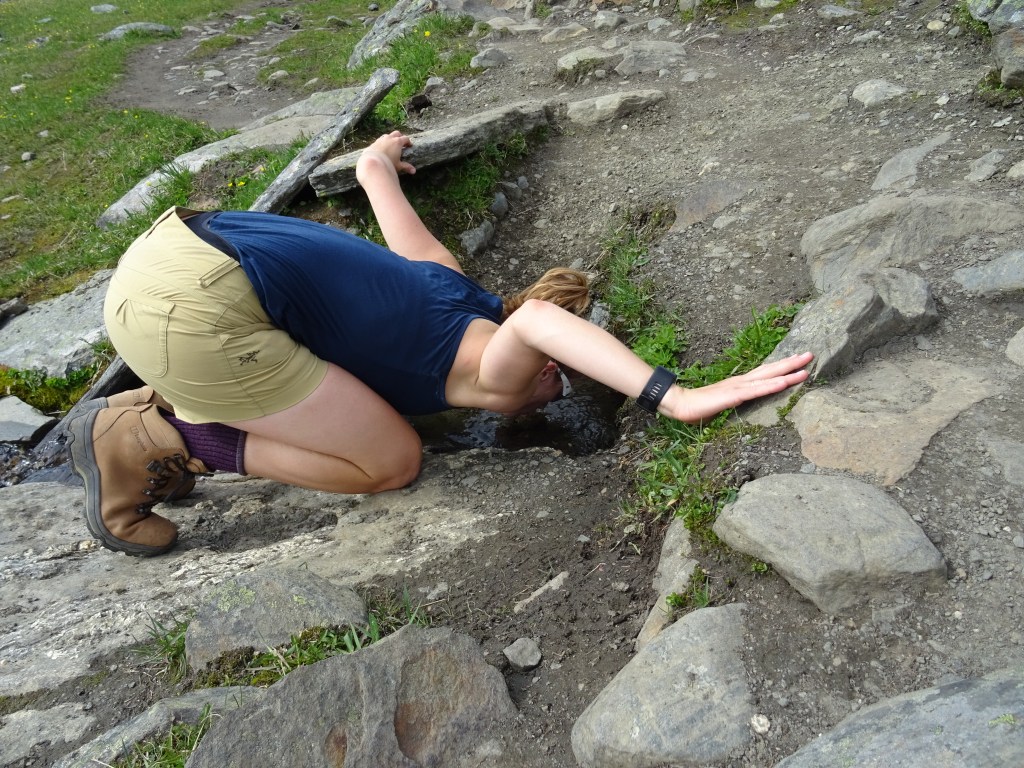
Along the trail you can drink the water straight from the rivers. Apart from the usual warning of checking around the water source for rotting carcasses, the biggest warning is that this is the nicest water you will ever taste and returning home to chlorinated tap-water takes some getting used to again!
Fjallstugor and Fjallstationer
For accommodation, we made use of the mountain huts (fjällstugor) along the trail, plus the mountain station (fjällstationer) at Kebnekaise.
We purchased STF membership prior to our trip to benefit from reduced accommodation costs. We also booked each hut in advance online so that we did not need to carry heaps of cash on our trip (you also can’t always rely on credit card machines working in the wilderness).
Mountain stations can be found at Abisko, Kebnekaise, Saltoluokta, Kvikkjokk, Ammarnas and Hemavan.
These mountain stations offer a hotel like experience; with electricity, hot water and Wi-Fi available. There are also well stocked shops for souvenirs, food and equipment, which we made use of at Abisko for purchasing a map and cooking gas. Other useful facilities include a restaurant, postal holding and access to public transport.
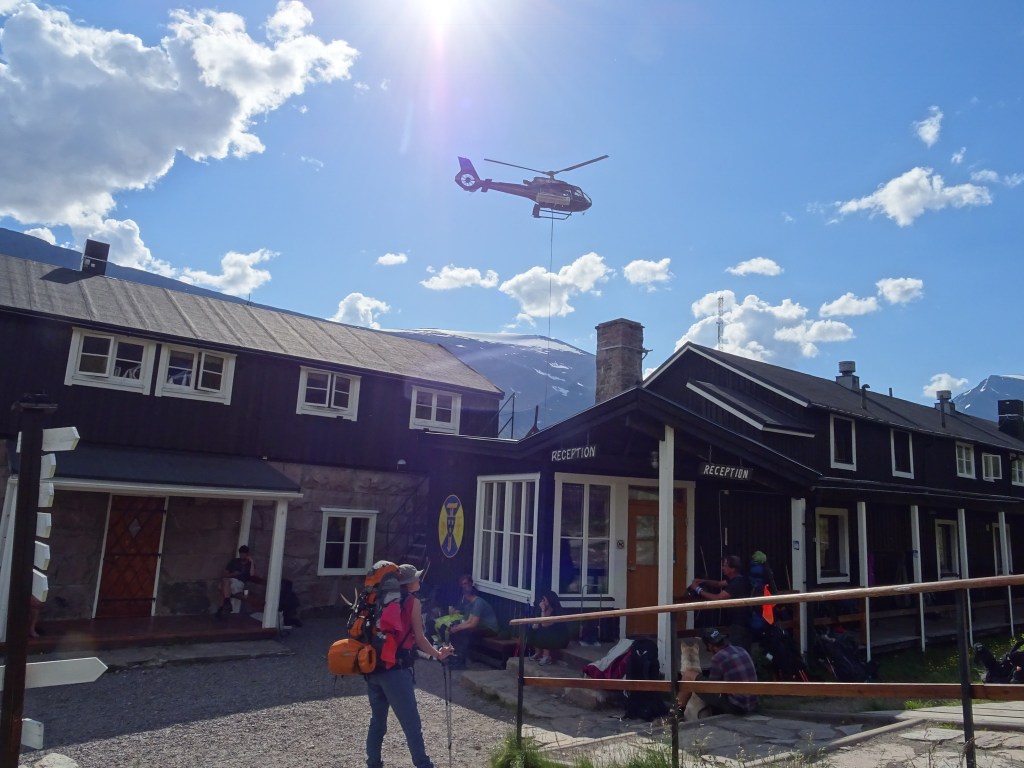
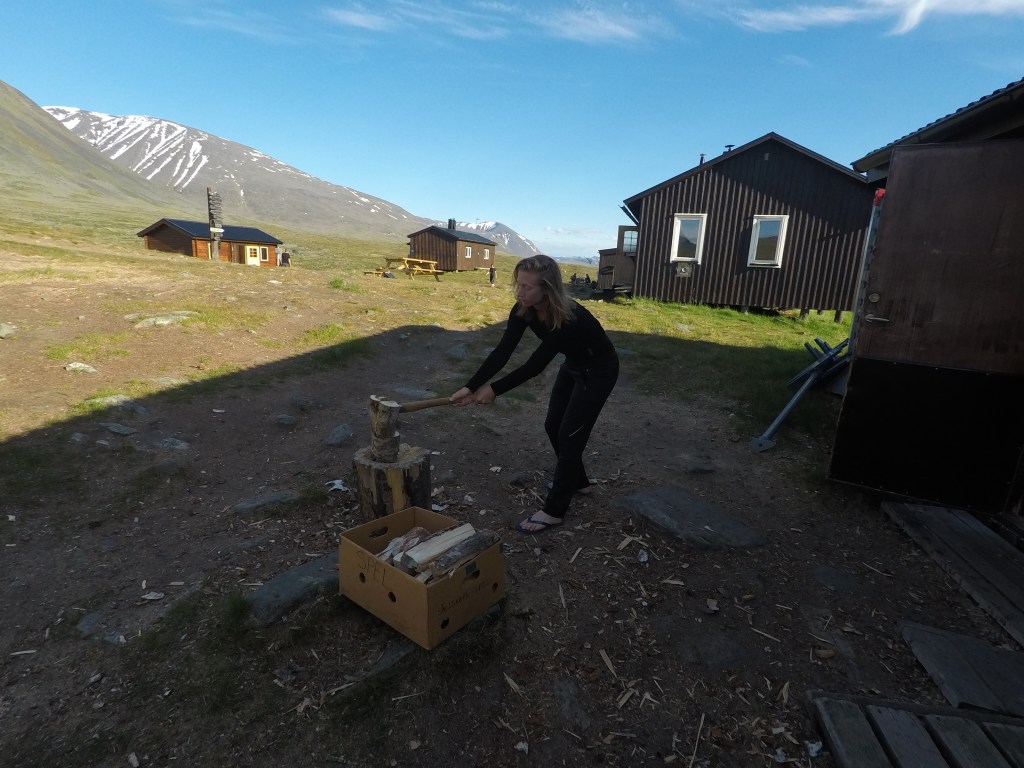
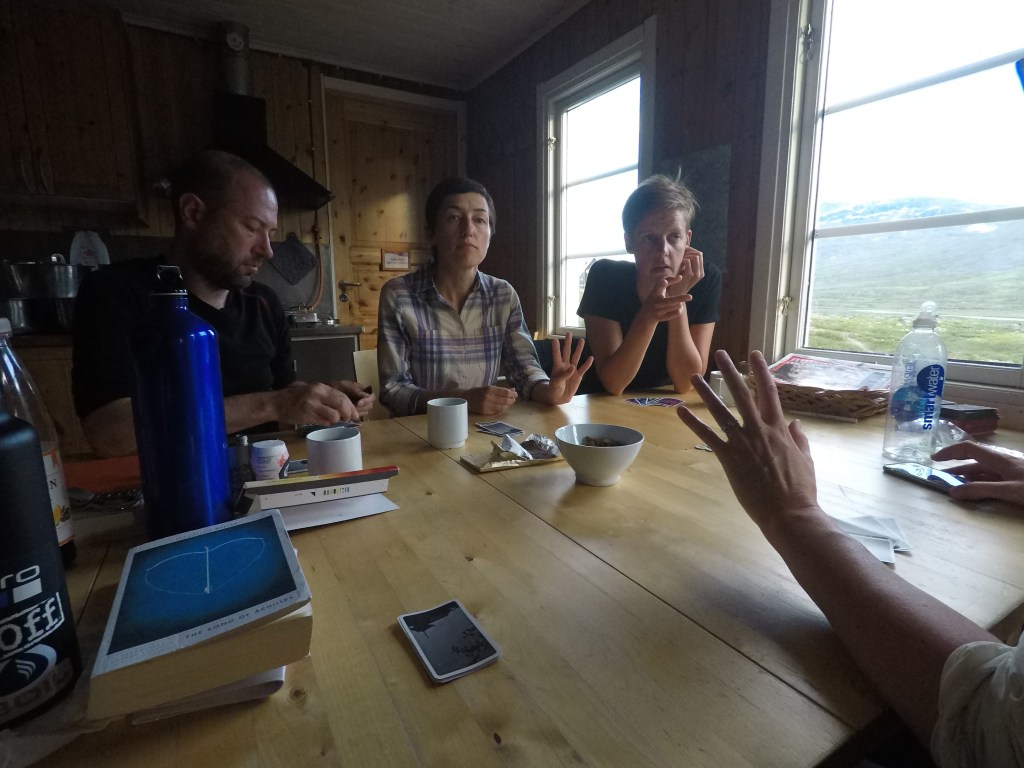
The mountain huts, which are found along the trail every 15-20km or so, are on the other end of the spectrum to the Mountain Stations in terms of facilities provided, but they are equally accommodating. Sleeping arrangements are in bunk rooms of varying sizes. If you don’t want to carry a sleeping bag, you can request a quilt and pillow at an extra cost. The communal kitchens are adequately equipped with cooking stoves and gas; and of course provide a friendly meeting place. The ethos at each hut is that everyone contributes in some way; with each person either cleaning up / chopping wood (for the sauna) / emptying the bins / collecting river water etc. The huts are operated by the STF and run by volunteer wardens who are welcoming and will show you what to do and where to sleep on your arrival.

Being in Scandanvia, many of the huts have saunas (of course!) to have a wash or to warm up in after a brisk wash off in the ice cold rivers. Being a Brit, of course one of our concerns was Sauna etiquette; naked or undies. There is nothing to worry about though as the “rules” appear to be very relaxed with a mixed approach. If you do decide to go in naked, please be polite and sit on a towel though! On arrival the wardens will let you know the sauna timings for the evening; there are male / female / mixed slots.
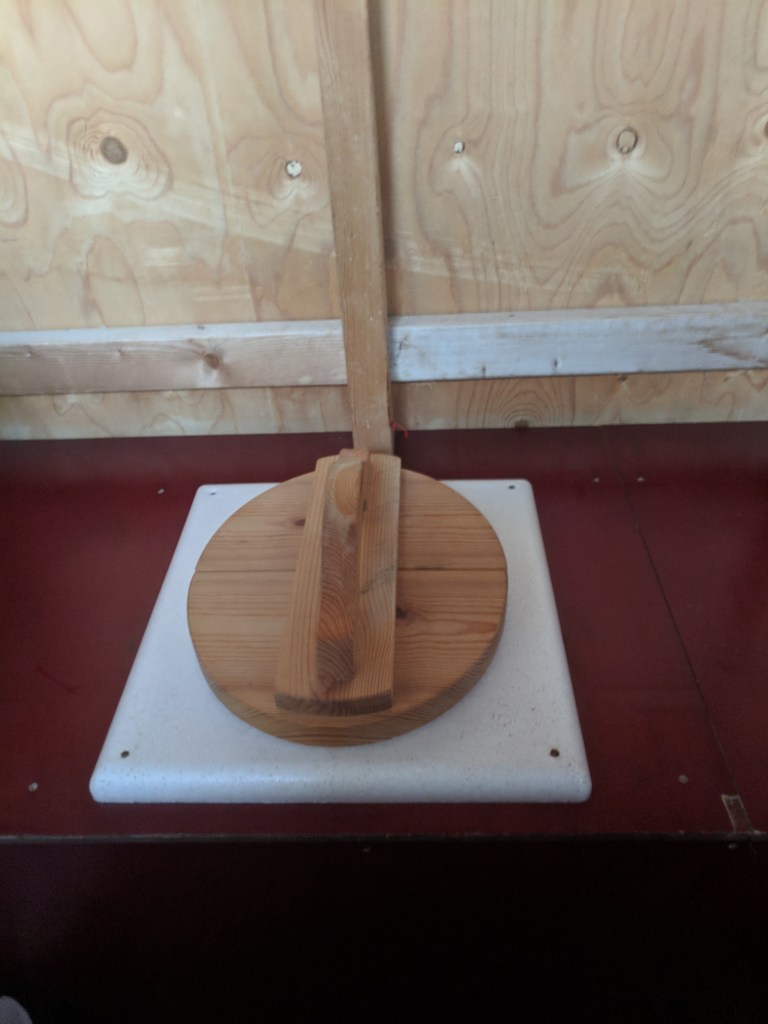
The toilets at the mountain huts, and the few scattered along the trail are drop loos; not the nicest smelling, but at least it keeps all of the excrement in one place.
For those not interested in staying in the huts, you are allowed to wild camp along the trail and still make use of the hut facilities for a reduced fee if you want to.
On the Trail
The Kungsleden’s summer season is mid-June until the end of September and it is only during this period that the STF huts are open and boat services are operating for water crossings. We didn’t actually do any of the water crossings but for those wanting a shorter day of walking there are a few scattered along the trail.
If you head to Lapland in July, like we did, you get the pleasure of experiencing the midnight sun (24 hours of daylight). With this in mind, make sure you pack your eye-mask rather than your torch!
We were very lucky to miss the mosquito season, which we believe can be quite unbearable! We had prepared by taking face-nets to go on our hats plus plenty of mosquito repellent and bite cream.
Food-wise, we took all of our own ration packs and energy tablets etc; however, at some of the bigger huts along the trail there is an opportunity to buy (expensive) food and drink. We saw quite a lot of people tucking into tinned meatballs…which we were assured tasted better than they looked!

Our routing:
Day 1 – ABISKO to ABISKOJAURE – We landed in Kiruna and took a bus directly to Abisko Mountain Station.
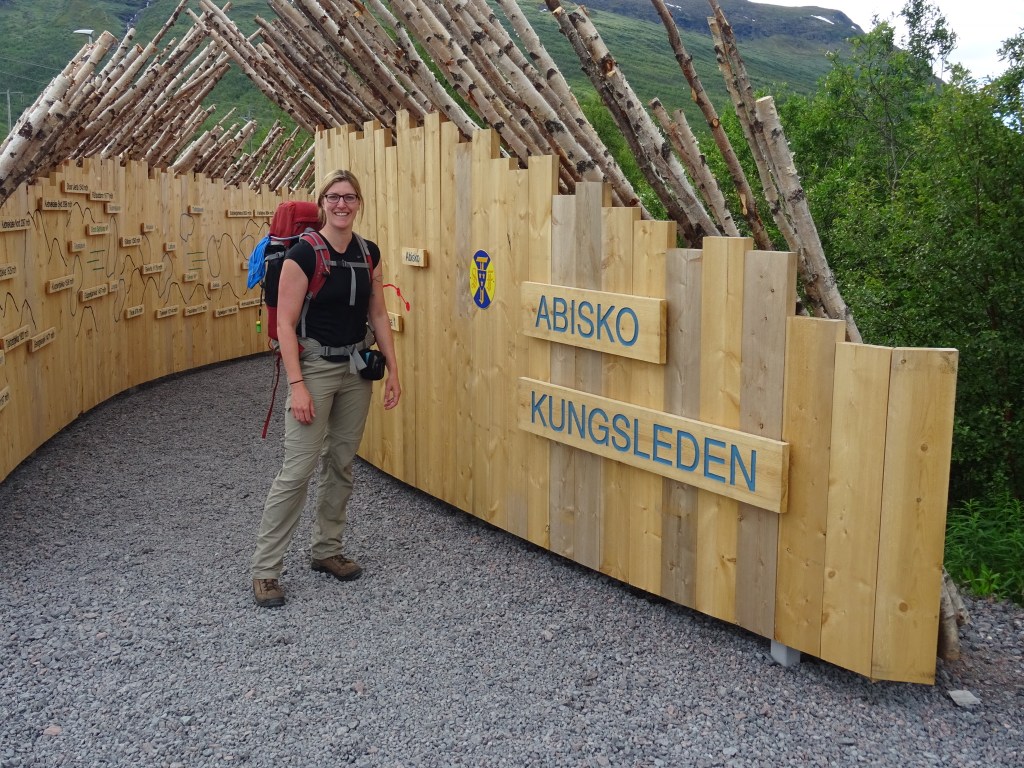


Taking full benefit of the midnight sun we left Abisko at around 16:00 and walked for around 4 hours to our first mountain hut at Abiskojaure. On arrival we were treated to a sighting of a moose, followed by our first experience of an ice river bath followed by a delightful sauna warm up!


Day 2 – ABISKOJAURE to ALESJAURE – On departing Abiskojaure there is a gradual climb through woodland. The view at the top is well worth the sweat lost!

This day involved crossing plenty of stunning rivers and passing a number of lakes and ponds that shimmer an exquisite turquoise. Even though we were basking in 20’C+ weather, conditions at the top of the mountains were snow capped, meaning that the toe dip in the waterways was rather refreshing!

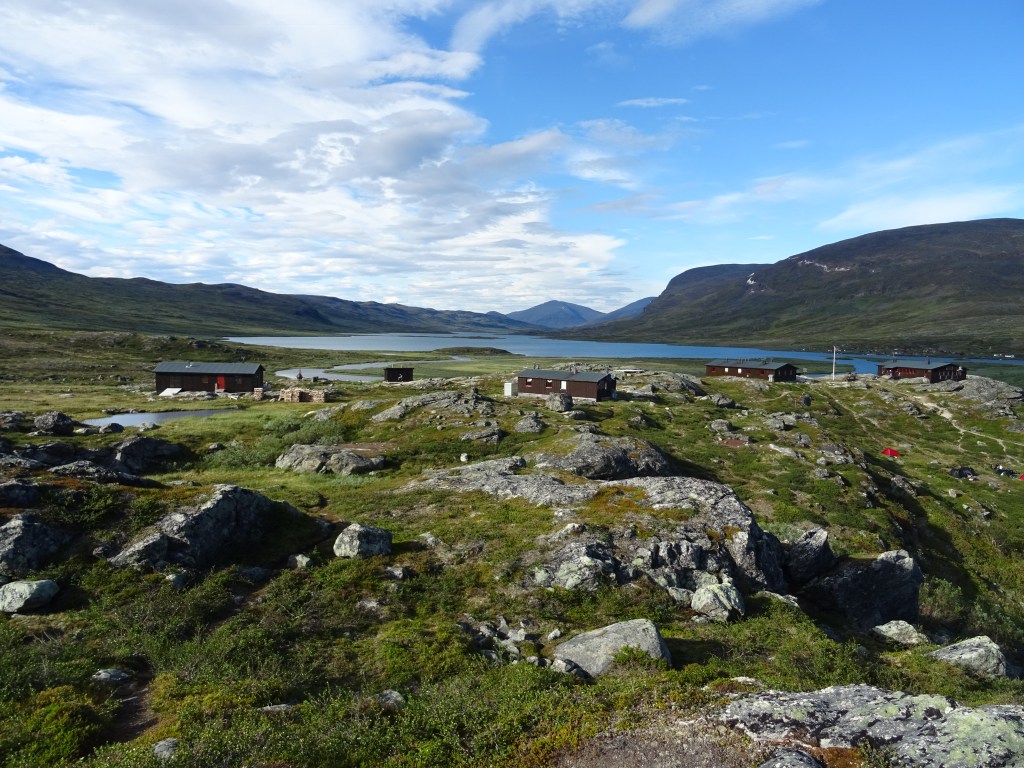
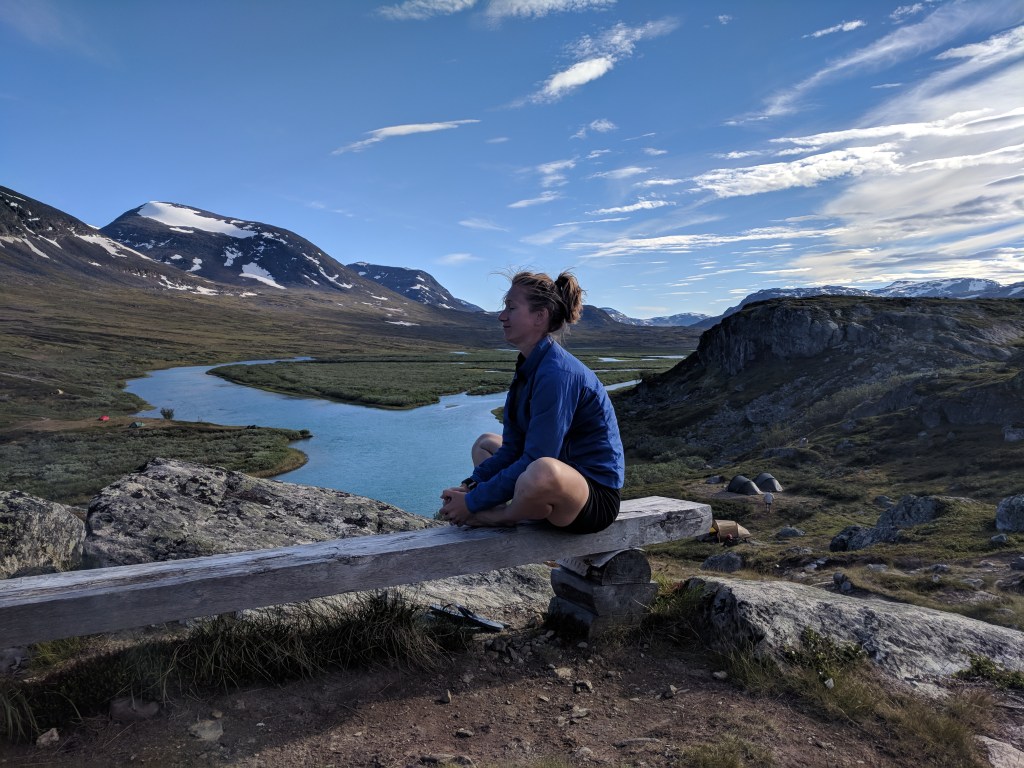

Day 3 – ALESJAURE to SALKA – This day involved getting over Tjakja Pass, the only “climb” we had faced so far. Its a slight scramble up and down, but hugely enjoyable. There is even a loo at the top…I love a loo with a view! This was our longest day of the trip in terms of distance and although the last couple of kilometres of the day is flat, it is only in the last instance that you can spot the huts.

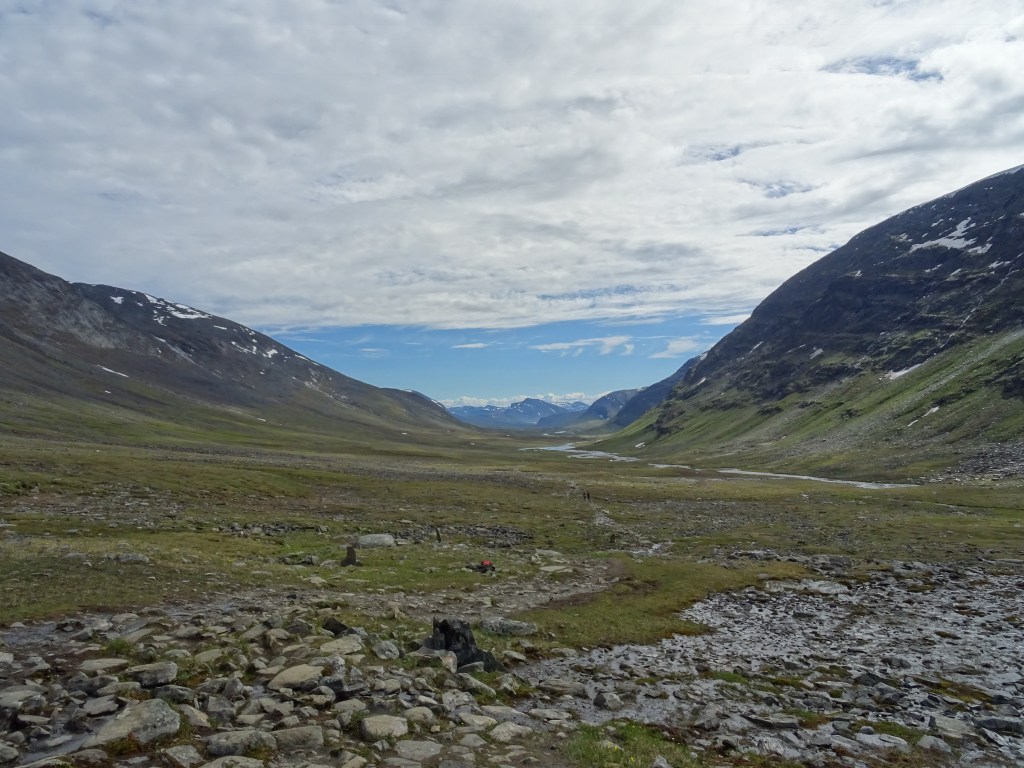
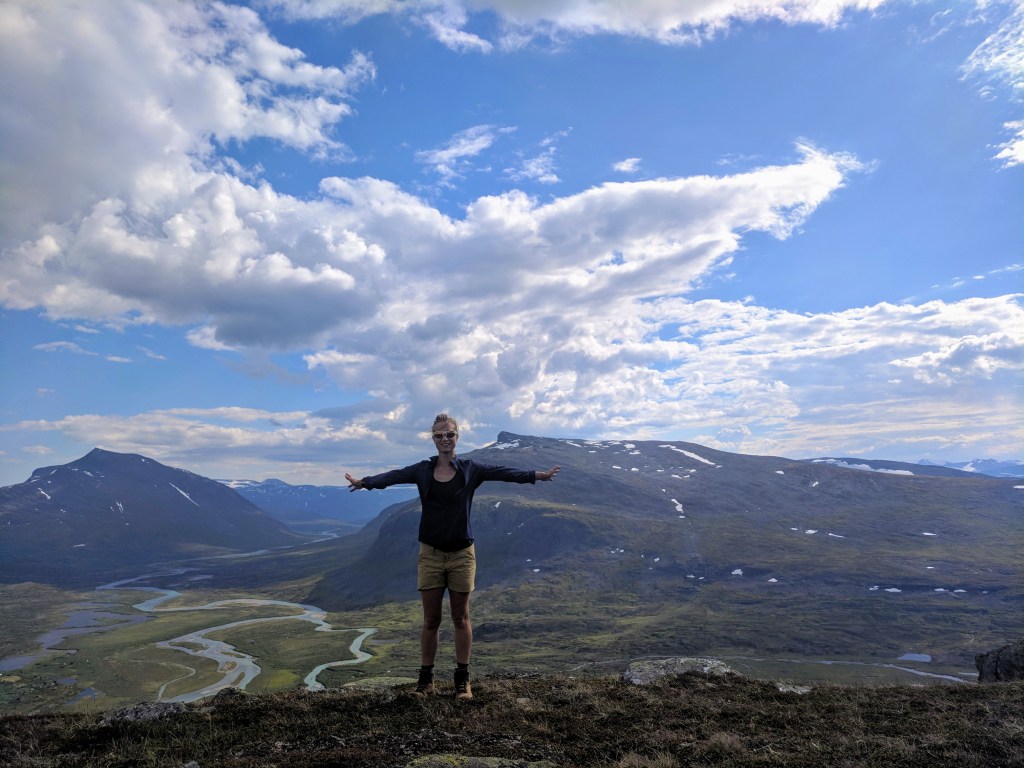
Day 4 – SALKA TO SINGI On this shorter day, around 9km, on arrival at the hut, we dropped our main kit bags off before heading out again for a “side hike” up one of the mountains close by. This was truly amazing and gave us a really impressive viewpoint across the valley that we had spent the day trekking through.
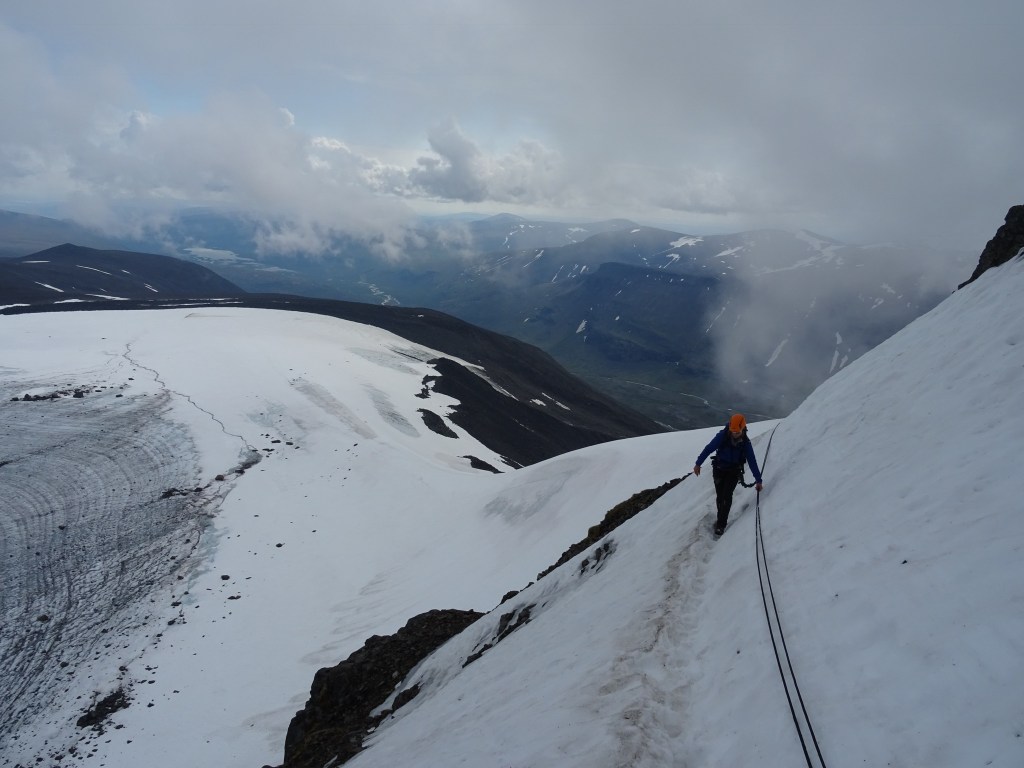
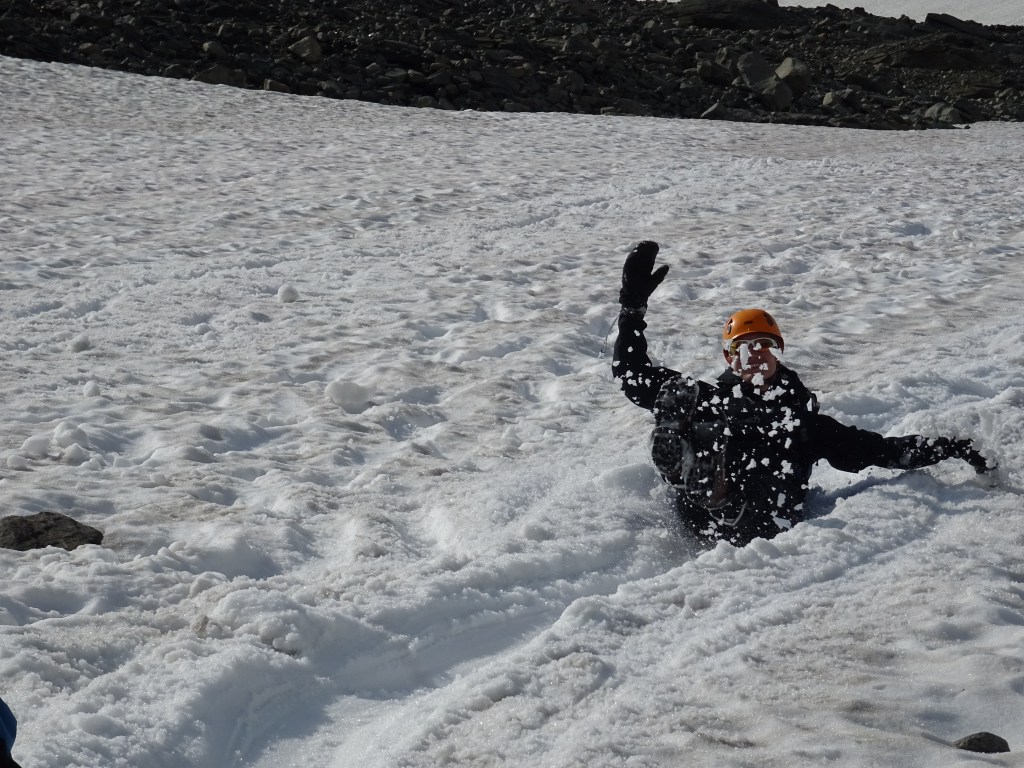
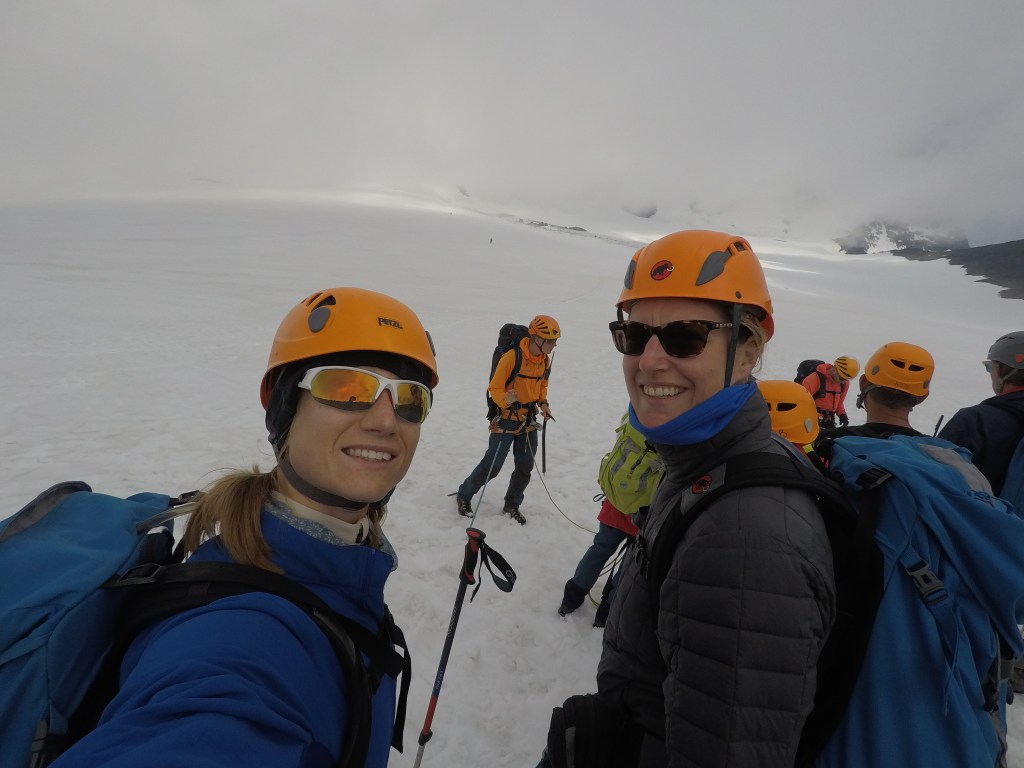
Day 5/6 – KEBNEKAISE – For our last two nights in Kungsleden we stayed at Kebnekaise mountain station as we had booked to climb Kebnekaise via the Eastern side. This challenging route takes 9-12 hours and involves crossing a beautiful glacier and then scrambling up the rock face, so using a local guide is strongly recommended. The guide will provide you with climbing gear, such as helmet and harness. You will need to remember your hiking boots, and warm / waterproof kit, including gloves though. This climb was a highlight for me as it pushed me out of my comfort zone on a number of occasions!



I would also highly recommend booking the dinner at Kebnekaise mountain station. We did this on our last night in Sweden to round off an amazing week and it most certainly did not disappoint. The meal is hosted by locals who tell you a story of what local dishes you are trying. After living on ration packs for the week, the reindeer steak, pickled fish and schnapps was a 5 star culinary delight!
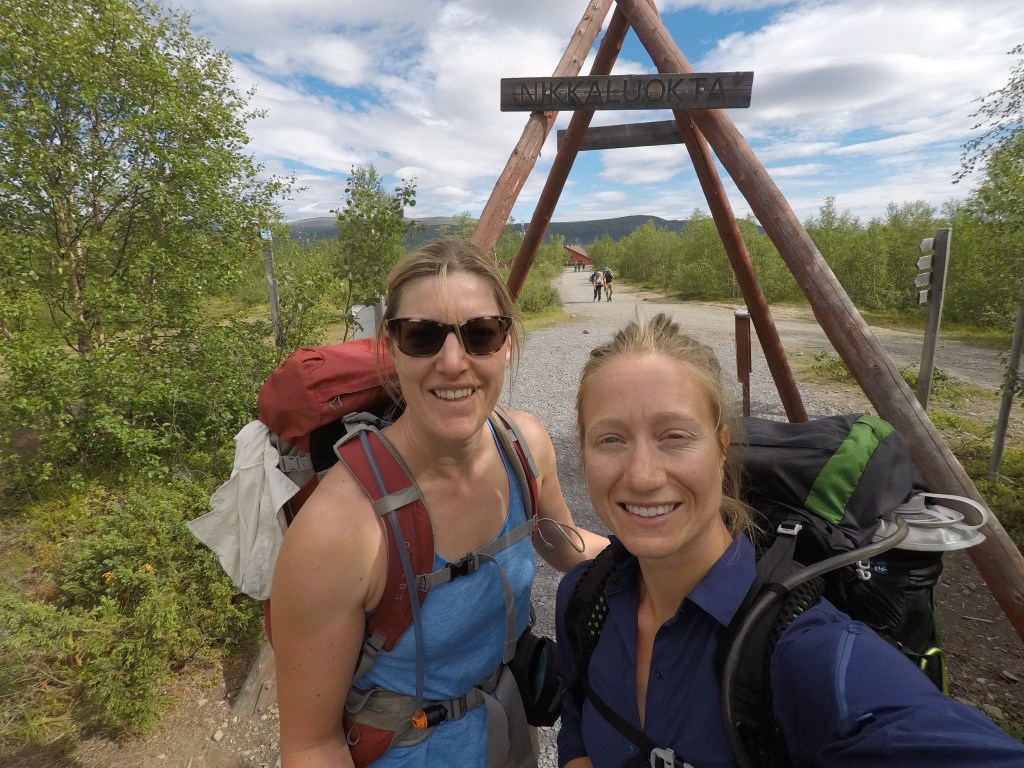
Day 7 – KEBNEKAISE TO NIKKALUOKTA – Physically tired but mentally buzzing, dreaming of the previous week’s expedition we walked along a welcome smooth track to Nikkaluokta. This track is mostly covered by trees and, for me, was quite boring. However, it provided plenty of time to reminisce about the preceding days.
On arrival at Nikkaluokta, there is a lodge with a cafe where you can wait for the bus, while enjoying some normal food again. From here we hopped on the bus back to Kiruna airport.
If you would like to see a short video from our trip, please follow the following link:
 Leave No Stone Unturned